
There is a specific, suffocating stillness that descends upon a room when time officially runs out. It is not the dramatic, loud silence often depicted in movies, but a heavy, localized vacuum where the air feels too dense to breathe and every tick of the clock sounds like a hammer striking an anvil. In that quiet space, a mother held her fifteen-year-old son, Will Roberts, close against her chest, pressing her cheek against his cool forehead, memorizing the fragile weight of his body because she knew, with a crushing and absolute certainty, that this was the very last time.
For months, their lives had been measured in the rhythmic beep of intravenous monitors, the harsh glare of hospital fluorescent lights, the antiseptic smell of sanitizers, and the unrelenting cycle of devastating cancer treatments that promised hope while steadily stealing away his youth. But on that final day, the machines were quieted, the toxic chemicals were disconnected, and the endless medical battles ceased. Surrounded by the warmth of a family that had fought alongside him every step of the way, Will was finally allowed to rest.

The young boy who had somehow managed to radiate optimism, strength, and extraordinary grace throughout his darkest hours could finally close his eyes without the looming terror of another painful procedure waiting for him tomorrow. His life was tragically, painfully short, lasting only a brief fifteen years, yet the courage with which he carried his immense burden left an indelible mark on everyone who knew his name. Will’s journey is a heartbreaking reminder of a profound and uncomfortable truth about the human experience: that some of the brightest lights among us do not burn for the longest time, but rather shine with such intense, unfiltered pureness that their illumination remains long after they are gone.
When we read stories like Will’s, something fundamental inside us shatters and reᴀssembles all at once. We live in a modern world that is utterly obsessed with longevity, milestones, and future promises. We plan our lives in decades, ᴀssuming that childhood naturally leads to adolescence, that youth inevitably matures into adulthood, and that old age is a guaranteed right rather than a fragile privilege. We construct elaborate grand narratives around who we will become, what we will accomplish, and how much time we have left to fix our mistakes or chase our dreams.

Yet, the stark reality of childhood illness ruthlessly tears through this illusion of control, exposing just how incredibly delicate human existence truly is. Watching a child face a terminal illness forces us to confront the ultimate mystery of why suffering exists and why it so often falls upon the most innocent among us. It forces us to ask questions that have no clean, logical answers. Why does a boy with his entire future ahead of him have to endure months of physical agony? Why must a family stand by, utterly helpless, watching the vibrant energy of youth fade away under the weight of an aggressive disease? There is no philosophy, religion, or scientific explanation that can fully soften the blow of a child dying before their parents. It defies the natural order of the universe, breaking the unwritten contract that children are supposed to bury their ancestors, not the other way around.
Yet, in the very heart of this unbearable tragedy, something extraordinary happens to the human spirit. When you look closely at the narrative of young Will Roberts, you do not merely see a story of defeat or loss; you witness an astonishing display of resilience that redefines what it means to be strong. Courage in the face of terminal illness is not about loud, aggressive defiance or pretending that fear does not exist. It is found in the quiet, agonizing moments when a teenager chooses to smile for his mother even when every bone in his body aches. It is found in the willingness to hold onto humor, kindness, and love when everything around you is being stripped away by disease.

For fifteen years, Will lived, but in his final months, he taught those around him how to truly inhabit the present moment. Children and teenagers facing critical illnesses possess a unique, heartbreaking wisdom that adults often spend a lifetime trying to cultivate. Because they are stripped of the luxury of taking tomorrow for granted, they experience today with a fierce, concentrated clarity. A gentle breeze through a hospital window, the laughter of a sibling, a favorite song playing quietly in the background, or the simple warmth of a mother’s hug become infinitely more valuable than any future ambition. They do not waste time on trivial grievances, small anxieties, or shallow pursuits; they strip life down to its absolute essence, which is love, connection, and presence.
To truly understand the depth of this tragedy, one must also look at the immense, quiet bravery of the caregivers—the parents, family members, and medical professionals who walk alongside a dying child into the valley of shadows. Nothing in this world can ever prepare a mother for saying goodbye to her child. From the moment a child is born, a parent’s entire psychological and biological hardwiring is dedicated to protecting that life at all costs. Every instinct drives a mother to shield her child from danger, to soothe their pain, and to fix whatever is broken.
But terminal illness creates a surreal, agonizing paradox where no amount of maternal love, no degree of sacrifice, and no depth of prayer can alter the trajectory of the disease. A mother in this situation must endure a double heartbreak: she must carry the unbearable weight of her own impending grief while simultaneously remaining a pillar of strength, comfort, and safety for her frightened child. She must hide her own tears behind forced smiles, hold her child’s hand through agonizing treatments, translate terrifying medical jargon into gentle reᴀssurance, and make decisions that no parent should ever have to make. And finally, when all medical options are exhausted, she must perform the ultimate, most selfless act of love: letting go. Holding her son close for the last time is not an act of surrender; it is a sacred, devastating gift of permission, whispering to him that it is okay to stop fighting, that he is safe, and that he is loved beyond measure.
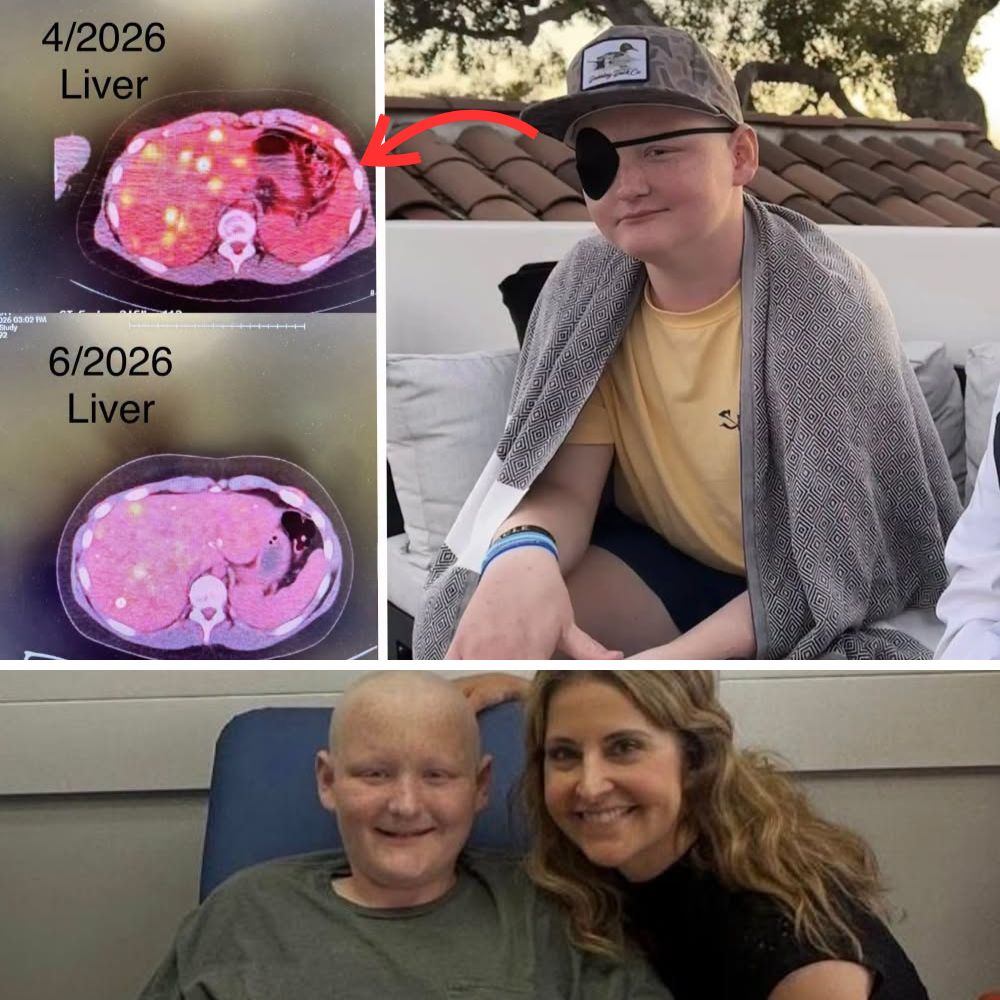
The ripple effect of a short life lived with such extraordinary courage extends far beyond the walls of a single hospital room or the quiet privacy of a grieving home. Stories like Will’s serve as a profound wake-up call to an increasingly distracted, anxious, and fragmented society. We spend so much of our daily lives consumed by petty grievances, meaningless stress, endless digital distractions, and trivial arguments about things that will not matter in a year, let alone in a lifetime. We complain about traffic, about minor inconveniences, about aging, and about the mundane burdens of daily routine.
But when we are confronted with the story of a fifteen-year-old boy who fought just for the chance to see another sunrise, our entire perspective is violently and necessary recalibrated. Will’s journey challenges us to stop treating our time on this earth as an endless, cheap commodity. It demands that we look at our own children, our parents, our partners, and our friends with fresh eyes, realizing that every single shared moment is a rare and fragile miracle. It forces us to ask ourselves tough questions: Are we spending our time on what truly matters? Are we expressing our love clearly and frequently to those around us? Are we living with graтιтude, or are we floating through our days on autopilot, ᴀssuming that tomorrow is guaranteed?
Furthermore, the impact of Will’s courage leaves behind a legacy that completely defies the brevity of his lifespan. We often measure the success or richness of a life by its length, counting the years, the career achievements, the wealth accumulated, or the milestones reached. But time is a deeply subjective measurement. A life that spans ninety years filled with apathy, self-absorption, and emotional distance can ultimately leave a smaller footprint on the world than a life that lasts only fifteen years filled with intense love, courage, and inspiration.
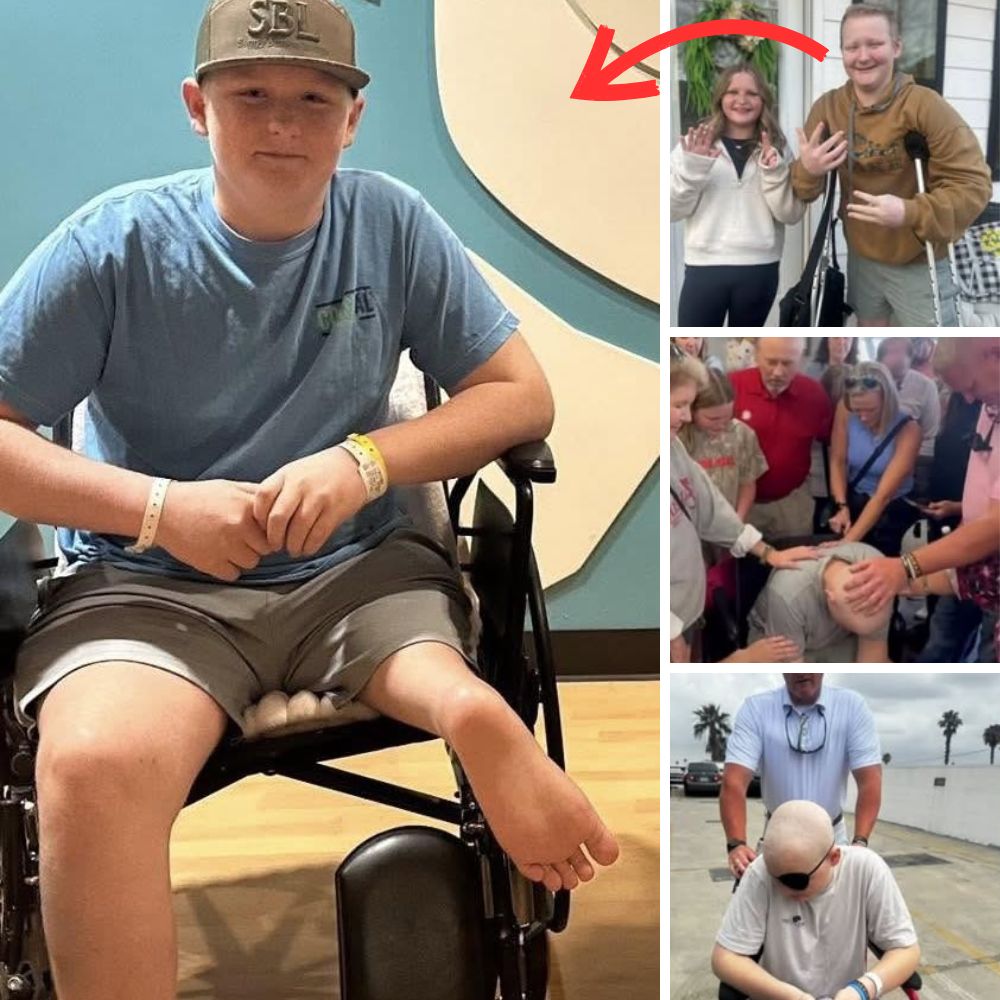
Will Roberts showed us that impact is not determined by quanтιтy, but by quality and depth. The way he carried his pain, the inspiration he provided to his community, and the profound love he evoked in those who rallied around him created a legacy that will endure long after his physical presence has faded. He proved that a teenager, armed only with quiet dignity and a gentle spirit, can teach the world more about the value of human life than a library full of philosophy books. His story becomes an immortal beacon, guiding others who are navigating their own dark valleys of grief, illness, or despair.
As we reflect on this tragic loss, we must also acknowledge the complicated, ongoing nature of grief for those left behind. The end of Will’s suffering brings a merciful release from physical pain, but for his family, it marks the beginning of a long, treacherous journey through the wilderness of bereavement. The world often expects grieving families to eventually move on, to find closure, or to return to a sense of normal. But anyone who has loved and lost a child knows that there is no such thing as moving on; there is only learning how to carry the weight of an empty space that can never be filled.
The quiet moments are often the hardest—the empty seat at the dinner table, the untouched bedroom, the approaching birthdays that will never be celebrated, and the sudden, overwhelming realization that life is continuing to move forward while a piece of your heart remains frozen in time. Yet, within that profound sorrow lies the enduring power of memory. A loved one never truly dies as long as their story is told, as long as their values are honored, and as long as the love they generated continues to move through the lives of others. Will’s family will carry his light forward, holding his memory not just as a source of pain, but as a sacred monument to a boy who loved deeply and fought bravely.
Ultimately, Will Roberts’ story is a heart-wrenching masterpiece of human vulnerability and strength that demands our full attention and respect. It pulls us out of our self-absorbed bubbles and anchors us firmly in the reality of what it means to love fiercely in a fragile world. It reminds us that while we cannot control the length of our lives, we have absolute control over the depth, kindness, and courage with which we live them. Nothing will ever make the loss of a fifteen-year-old boy right or fair, and no words can fully heal the shatterproof heartbreak of a mother saying her final goodbye.
But as Will finally closes his eyes and enters a well-earned rest away from needle sticks, toxic drugs, and endless pain, his spirit remains fiercely alive in the lessons he leaves behind. He stands as an eternal symbol for every child fighting in a hospital bed, every parent holding vigil in the dark, and every human being trying to find meaning in the face of immense tragedy. May we honor his memory not just with our tears, but by living our own lives with greater purpose, deeper love, and an unwavering graтιтude for every precious, fleeting breath we are given.