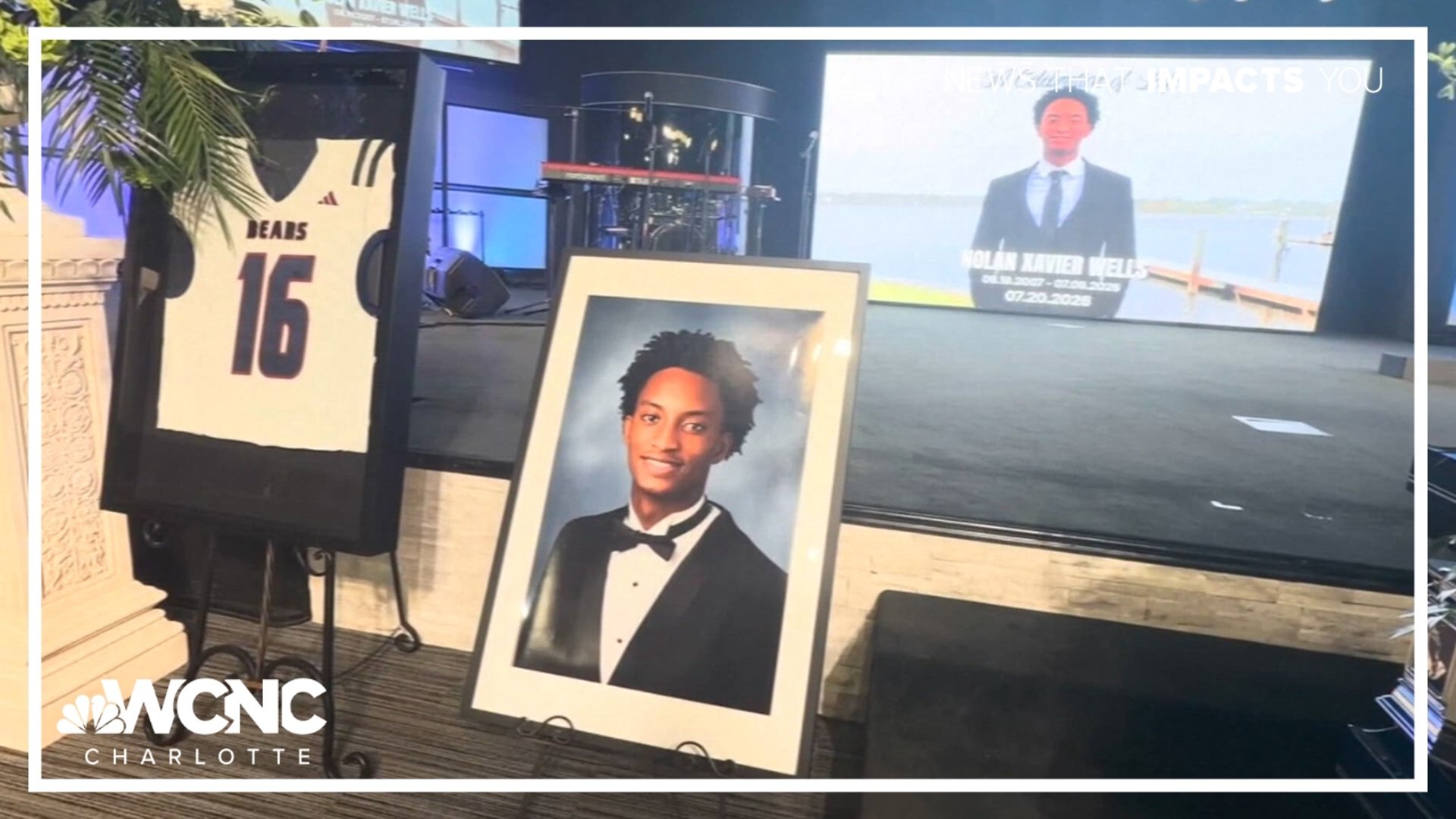
The message appeared without warning early Wednesday morning, just as public attention around the death of Nolan Xavier Wells had begun to intensify again.
Former Vice President Kamala Harris did not name a suspect, accuse investigators of misconduct, or claim to know how the 18-year-old athlete died.
But within minutes, the nine-word statement was spreading across television screens, social media feeds, and community groups far beyond Mississippi.
The timing made it impossible to ignore.
The investigation remained open, the official cause and manner of death had not been publicly resolved, and key forensic questions were still hanging over a case already burdened by conflicting interpretations and deep public suspicion.
Harris’s office released no evidence and offered no sweeping explanation.
The post carried only her name, the nine words, and a final line indicating that the Wells family deserved dignity while investigators completed their work.
Then came the strangest detail: the statement had been drafted the night before but held back until after a legal review.
The reaction was immediate and fiercely divided.
Supporters said Harris had given national weight to a grieving family’s demand for clarity, while critics warned that political attention could harden speculation before the evidence was complete.
Across Black communities, sports circles, and civil-rights forums, the same question kept resurfacing: why had it taken a former vice president’s voice for the case to command sustained national attention?
“Silence is no longer neutral.”
By midday, major newsrooms were revisiting the timeline, the emergency-call audio, the independent autopsy findings, and the still-pending forensic work.
Something larger was clearly coming.
The statement was direct: “A mother deserves answers, and America deserves the truth.”
Nine words. No accusation. No verdict.
That restraint was deliberate.
Harris had reportedly been urged to avoid language that could imply homicide, identify a suspect, or interfere with a grand-jury review, especially while toxicology, digital evidence, witness accounts, and vessel data remained under examination.
Instead, she focused on the one point no side could easily reject: the public still did not know precisely what happened to Nolan Wells.
“Transparency must protect truth, not replace it.”
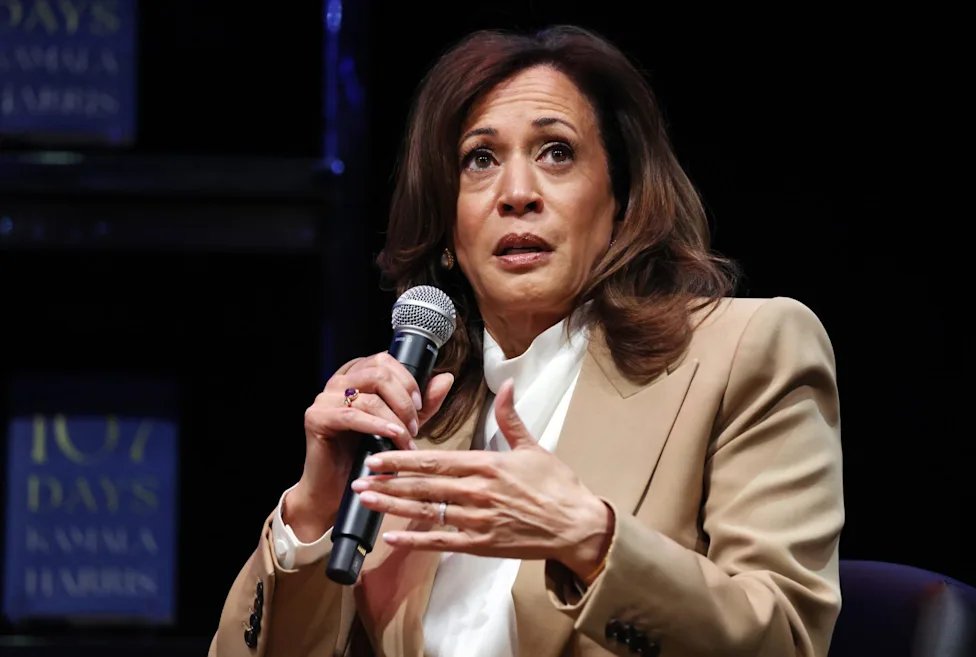
The legal review that delayed the statement explained the unusual silence surrounding its release.
Harris’s advisers wanted the wording to increase accountability without turning grief into a political prosecution or exposing private individuals to unsupported accusations.
That distinction mattered because the case had already become a battlefield of rumor.
Names circulated online, audio clips were repeatedly reinterpreted, and theories were presented as fact even though authorities had not announced an arrest, a criminal charge, or a confirmed homicide finding.
Harris’s intervention did not add new evidence. It changed the scale of attention surrounding the evidence already known.
The investigation had included dozens of interviews, examination of digital information, questions surrounding the boat trip to Horn Island, and scrutiny of emergency communications from July 4.
An independent examination commissioned by the family had left the cause and manner of death undetermined, while the official forensic process remained central to whatever would happen next.
Her statement forced national audiences to confront that uncertainty rather than fill it with certainty of their own.
“Demanding transparency is not the same as declaring guilt.”
That became the central message repeated by legal commentators throughout the day.
They emphasized that public pressure could encourage regular updates, preservation of records, and careful review, but it could not replace physical evidence or the grand jury’s judgment.
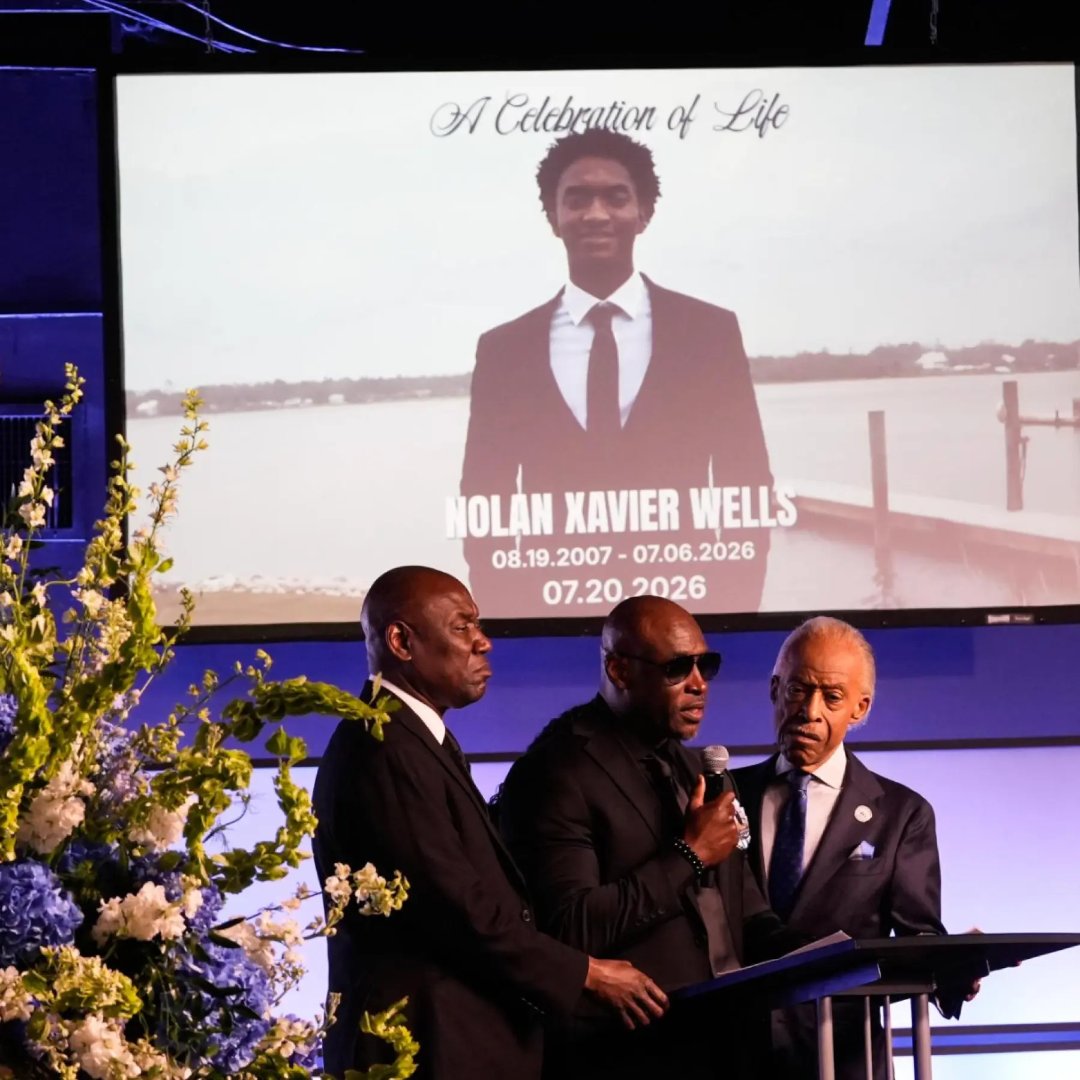
The immediate result was not an arrest or a dramatic courtroom development.
It was a shift in the burden of public explanation.
Officials investigating the case now faced intensified calls to clarify what could be released, what remained pending, and why certain findings were still unavailable.
At the same time, supporters of the Wells family gained a nationally recognized phrase that demanded answers without ᴀssigning blame.
The statement’s power came from what it refused to do. It did not declare Nolan’s death a murder.
It did not identify any friend, witness, or official as responsible. It did not promise federal intervention.
It simply made the unresolved status of the case impossible to dismiss.
By evening, the nine words had become a rallying point for people demanding patience, transparency, and protection for everyone connected to the investigation.
The Wells family’s search for answers was no longer being treated as a local tragedy alone.
The legal process remained unchanged: evidence still had to be tested, witnesses still had to be evaluated, and any potential charge would require a lawful finding rather than online outrage.
But the atmosphere around the case had changed.
Nine words did not solve the case—but they made silence impossible.